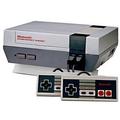
NES cartridges do not contain EPROMs. They contain mask ROMs. Mask rom chips are created by a much different process - the data is stored in permanently "burned" silicon dies - much the same way that logic chips are made. As such, they ought to retain data more or less indefinitely.
EPROM chips, being erasable, store data by means of a stored charge trapped in special gates. This data is very stable, but after 20 or 30 years can fade as the charges dissapate. Again though, EPROMs are very stable, and while "bit-rot" can and does occur, it's not very common.
Some NES games contain batteries (Zelda, Kirby's Adventure, etc). These batteries have a lifespan, and when they fail, will cause data stored in battery-backed RAM to be erased. This only applies to high scores and savegames though, the game program will work fine, and the game can save again once the battery is replaced.
I do not forsee any bit-rot problems affecting cartridge-based game consoles. The only exceptions I am aware of are some 20th Century Fox games for the Atari. For whatever reason, the mask ROMs in those are exceptionally poor quality, and it's not too uncommon to find a game that's dead. This failure is more likely due to the composition of these chips themselves, however, as the legs corrode visibly - I believe the leadframes are made with the silver-plated steel or similar, and the chip is simply corroding from moisture in the air. Sometimes you see this same problem on other chips, epecially TI logic chips from the 70's, Namco custom chips in arcade games (Pole Position, Galaga, etc), and some others. But, again, it's more of a corrosion problem than a bit-rot problem.
Nintedno used exceptionally good quality stuff, and the cartridge boards are well made, as are the mask ROMs. I really don't see any problem with this stuff just firing up and working 50 years from now.
-Ian
-------------------------


 ) they will use one time programmable ROMs that cannot get bit rot. The bits are fuses instead of gates so they can only be blown once.